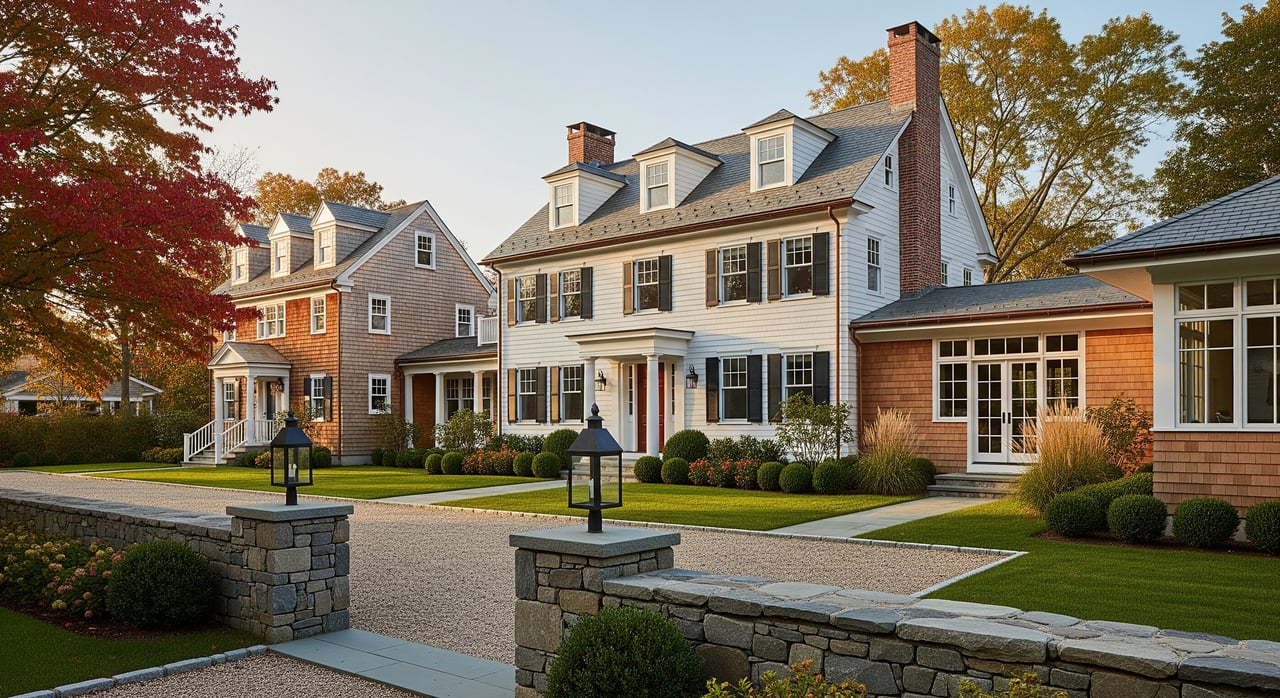
Torn between a Colonial, a Cape, or a Ranch for your next Canton home? You are not alone. Each style offers a different way of living, and the right fit comes down to how you use space, your renovation appetite, and your long-term plans. In this guide, you will learn how these three classic New England styles show up in Canton, how layouts affect daily life and resale, and what to look for during tours. Let’s dive in.
Canton context: what shapes value
Canton’s neighborhoods reflect centuries of growth, from historic village streets to mid‑century subdivisions. That mix means you will find original Colonials, expanded Capes, and many ranch and split‑level homes on a range of lot sizes. Street patterns and setbacks vary, which can affect expansion options, driveways, and parking.
Commuting convenience and proximity to Canton Public Schools are frequent search filters for buyers. Locations near commuter rail and the I‑95 and Route 128 corridor often see wider interest at resale. New England winters also make basements, insulation, windows, roofs, and heating systems top‑of‑mind. Many older homes started with oil‑fired boilers, while newer builds and renovations may feature natural gas or forced air.
Colonial homes in Canton
What defines a Colonial
Colonials are typically two stories with a balanced, often symmetrical façade and a central entry. You will see clapboard or brick exteriors, side‑gabled or hipped roofs, and evenly spaced windows. Later versions often include attached garages or additions that connect garage and mudroom space.
How it lives day to day
Inside, the classic center‑hall plan separates formal rooms at the front from kitchen and family space toward the rear. Bedrooms are usually upstairs, which keeps private spaces together. This layout suits buyers who want distinct rooms, quieter work areas, and clear separation between living zones.
Common Canton updates
Owners often open the kitchen to a family room, finish basements for play or media space, add a first‑floor bedroom or full bath, and refresh bathrooms. Many Colonials benefit from insulation improvements, window updates, and heating system modernization.
Resale considerations
Colonials tend to have broad appeal because of their bedroom count and traditional two‑story layout. Marketability often hinges on the number of full bathrooms, a modernized kitchen, and convenient access to commuting routes and local amenities. A first‑floor bedroom or bath can expand the buyer pool.
Cape Cod homes in Canton
What defines a Cape
Capes are one to one‑and‑a‑half stories with steep roofs and, often, dormers. Original versions are compact and efficient. Many Canton Capes have rear additions, expanded second floors, or dormer projects that increase usable bedroom space.
How it lives day to day
On the main level, you will usually find living, kitchen, and sometimes a small bedroom or office. Additional bedrooms often sit within the half‑story under dormers. Rooms can feel cozy, which many buyers enjoy, but smaller dimensions can limit furniture placement and storage without an addition.
Smart expansion ideas
Popular upgrades include adding full dormers to improve headroom, building a rear addition to create an open kitchen and family area, and finishing the second floor to deliver more bedrooms. A first‑floor bedroom with an adjacent full bath increases flexibility for single‑level living.
Resale considerations
Capes draw buyers who value charm and future potential. Thoughtful expansions that add a primary suite or a second full bath often boost marketability. Without these updates, Capes may compete directly with similarly sized Colonials that already offer more bedrooms upstairs.
Ranch and split‑level homes in Canton
What defines a Ranch
Ranches deliver single‑level living with low‑profile roofs and long façades. Many include an attached garage at grade. You will also see raised ranch and split‑level variants that create separated living zones, often with finished lower levels.
Accessibility and livability
With bedrooms, kitchen, and living areas on one floor, ranches appeal to buyers who want easy circulation and fewer stairs. Finished basements can add sizeable bonus space, although natural light may be limited compared to above‑grade rooms.
Common updates
Owners often open the kitchen to the living area, enlarge windows, add a primary suite, and refresh siding and roofing. In raised ranches, lower levels are frequently finished for recreation, office space, or guest quarters with attention to egress and headroom.
Resale considerations
Single‑level living is a strong draw. The key is balancing bedroom count, bathroom access, and daylight. Improving ceiling heights where feasible and adding modern finishes can help ranches compete with larger two‑story homes.
Layout features that matter most
Focus on how the home supports your daily routine. The style is only the starting point. These details usually drive comfort and value:
- Bathrooms: At least two full baths are common expectations. A first‑floor full bath or a primary suite adds flexibility.
- Primary bedroom placement: First‑floor primary suites widen appeal. Upstairs primaries align with traditional two‑story living.
- Open vs closed plans: Open kitchen and family spaces support entertaining. Closed rooms offer separation for quiet work and different activities.
- Flex spaces: Look for a room that can serve as an office, guest space, or play area.
- Laundry and mudroom: First‑floor laundry and a mudroom near the garage are major quality‑of‑life upgrades in New England winters.
- Storage and systems: Adequate closets, a usable basement, and documented mechanical upgrades build buyer confidence.
- Parking and garage: Attached or convenient garages and ample driveway space are big pluses.
- Outdoor living: Flat, usable backyards, decks, and patios are popular in Canton’s suburban setting.
Which style fits your goals
- Need more bedrooms and defined spaces: A Colonial or an expanded Cape often delivers.
- Prefer single‑level living or fewer stairs: A Ranch or a two‑story home with a first‑floor bedroom is a wise target.
- Want entry price with room to grow: A Cape with expansion potential can be a smart path if you plan to build dormers or an addition over time.
- Value historic character and formal rooms: Older Colonials and original Capes offer classic details along with opportunities for sensitive updates.
Touring checklist for Canton buyers
Use this quick list when you walk through a home:
- Count full baths and note their proximity to bedrooms.
- Assess kitchen size, flow, and potential to open to living space.
- Inspect the basement for moisture signs, ceiling height, and utility locations.
- Ask about roof age, heating system type and age, electrical service capacity, and insulation improvements.
- Evaluate garage type, driveway width, and street parking rules.
- Confirm commute options, proximity to amenities, and general neighborhood context.
- Walk the lot for drainage, yard usability, and room for a future addition.
Renovations, permits, and systems
If you plan to add space or finish a basement, verify permits, egress, and headroom. Canton’s building and zoning rules govern setbacks, additions, and exterior changes, and historic district guidelines may apply in certain areas. Unpermitted work can slow a transaction, so request documentation early.
Energy and comfort upgrades are among the most appreciated improvements in Canton’s climate. Replacing older boilers, improving insulation, and installing efficient hot water systems can enhance comfort and appeal. Window updates and roof maintenance are also high‑visibility items on buyer checklists.
Selling in Canton: prep by style
- Colonial: Modernize kitchens and baths where needed, highlight bedroom count and any first‑floor bedroom or bath, and consider finishing the basement for flexible space.
- Cape: If space allows, add or emphasize a first‑floor bedroom and full bath, finish dormers to improve headroom, and showcase open kitchen and family areas.
- Ranch: Improve natural light, showcase single‑level convenience, and ensure lower‑level finishes meet code. A refreshed exterior and updated systems help buyers act with confidence.
Strategic upgrades, professional staging, and high‑quality marketing can bring more traffic and stronger offers. In competitive Canton neighborhoods, presentation and project management make a meaningful difference.
Your next step
Choosing between a Colonial, a Cape, or a Ranch is easier when you align the layout with your daily life and future plans. If you want help comparing floor plans, mapping commute options, or planning value‑add updates before you list, our team is here to guide you. With a three‑phased approach, in‑house creative, and project‑managed vendor coordination, we make your move smoother and more predictable. Ready to get started? Connect with Melissa Mayer for local advice tailored to your goals.
FAQs
Which Canton home style is easiest to expand?
- Capes and ranches are often the most flexible, with Capes suited to dormers and second‑story additions, and ranches well‑suited to large rear additions or adding a second story subject to permits and structural review.
What matters more for resale in Canton: style or location?
- Style influences appeal, but buyers typically prioritize location, condition, bedroom and bathroom count, and access to commuter routes and local amenities.
Can I add a second story to a ranch in Canton?
- It is often possible with a structural assessment, zoning review, and proper permits; feasibility depends on foundation capacity and neighborhood context.
Is a finished basement counted as living area in Canton?
- It can be counted if it meets local code requirements for egress and ceiling height; confirm how local listings treat finished lower levels before relying on the square footage.
What inspection items most concern Canton buyers?
- Basement moisture, roof age, heating system age and type, electrical capacity and updates, insulation, and whether additions or finished spaces were properly permitted.
Do older Colonials in Canton have hidden issues?
- They can, and common items include older wiring types, plaster wall repairs, outdated plumbing or heating components, and foundation or moisture concerns.
Are split‑level homes a good compromise in Canton?
- Yes, split‑levels can offer separation of spaces without full flights of stairs, which appeals to buyers who want distinct zones and flexible lower‑level living areas.