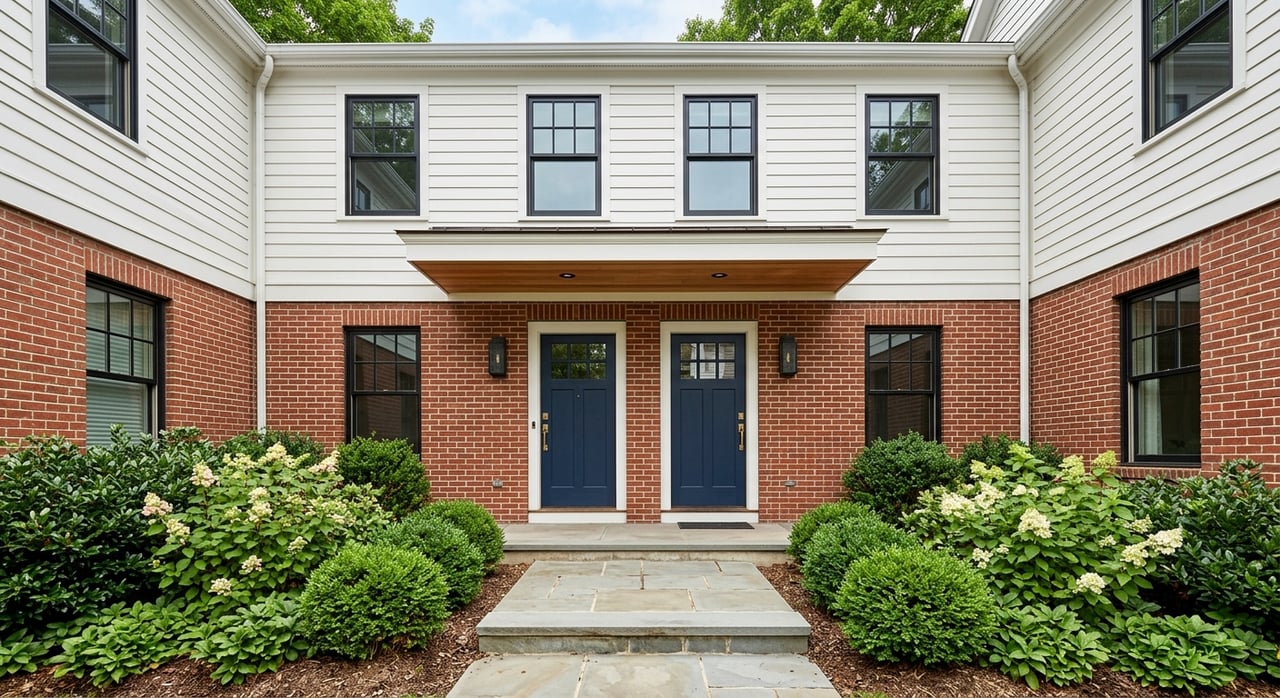
Trying to decide between a condo and a house in Canton? It is a common question, especially when prices, monthly costs, and day-to-day upkeep can look very different on paper. If you want a home that fits your lifestyle and protects your long-term value, it helps to look beyond the list price. Here’s how to compare condos and single-family homes in Canton so you can make a more confident move.
Canton market snapshot
Canton remains a competitive market. According to Redfin’s Canton housing market data, the median sale price was $820,000 in March 2026, homes averaged about 8 offers, and median days on market were 29.
At the same time, Realtor.com’s Canton market data shows a median listing price of $699,900 and a median price per square foot of $455. That gives you an important starting point: Canton is not a bargain market, but it offers a range of housing types and price points.
Compared with nearby towns, Canton sits in an interesting middle ground. Stoughton shows a lower median sale price, while Norwood has tighter active inventory, with Norwood market data showing just 13 active listings. For many buyers, that means Canton can offer a balance of price, availability, and location.
What condo ownership means
A condo can offer a simpler ownership experience, but it comes with tradeoffs. Fannie Mae’s condo buying guide explains that condo owners purchase a unit within a larger community and pay mandatory monthly condo fees.
Those fees often cover exterior maintenance, common-area repairs, and amenities. Depending on the community, they may also include water, sewer, trash, insurance, and reserve funding. Condo insurance is also typically less expensive than insurance for a detached single-family home.
In Canton, those monthly fees vary quite a bit. Current listing examples cited in local market data include fees of $445 per month, $475 per month, $519 per month, $659 per month, and $661 per month in different communities. That is why a condo that looks affordable at first glance may carry a noticeably higher monthly payment once HOA costs are added.
What condo fees can change
Condo fees can reduce surprise maintenance costs, but they do not eliminate risk. The real question is whether the fee is supporting a healthy, well-run association.
Massachusetts notes that condominiums are governed by their master deed, bylaws, and Chapter 183A condominium law guidance. The state does not directly regulate condominium operations in the way some buyers assume, so you need to review the documents carefully.
That review matters for both your budget and your financing. Fannie Mae notes that lenders may evaluate a project’s physical condition, financial stability, insurance, litigation, and special assessment risk before approving financing. If a project does not meet eligibility standards, it may be harder for a buyer to get a loan.
What to review before buying a condo
Before you make an offer on a Canton condo, it helps to look past the kitchen finishes and floor plan. You also want to understand the association behind the building.
Focus on these items:
- Monthly condo fee amount
- What the fee covers
- Reserve funding and overall financial health
- Current or planned special assessments
- Insurance coverage
- Rules and restrictions in the bylaws
- Any pending litigation
- Whether the project appears financeable under Fannie Mae condo eligibility considerations
If you are buying with resale in mind, association health is not a side issue. It can directly affect how easy your future sale may be.
What single-family ownership means
A single-family home gives you more control, but also more responsibility. You are not paying a monthly HOA in most cases, yet you are fully responsible for repairs, upkeep, and exterior maintenance.
Fannie Mae’s homeownership cost guide recommends planning for closing costs of about 2% to 5% of the purchase price and keeping three to six months of essential expenses in reserve for unexpected home costs. That advice is especially useful if you are comparing a lower-maintenance condo with a house that may need roof, siding, driveway, or yard work over time.
In Canton, the single-family market covers a wide range. Current single-family listings in Canton run from roughly $549,900 to $2.275 million. That means the condo-versus-house decision is not always about whether you can afford one category or the other. Often, it is about what level of privacy, outdoor space, and autonomy matters most to you.
Taxes and carrying costs in Canton
Property taxes are another part of the value conversation. Canton’s FY2026 residential tax rate is listed by the Town of Canton at $9.75 per $1,000 of assessed value.
That compares favorably with Stoughton’s FY2026 residential tax rate of $11.81 per $1,000. So while Stoughton may offer lower sale prices in some cases, its higher tax rate can affect monthly carrying costs. Canton may be more competitive than it first appears when you compare the full ownership picture.
Condo or house: which fits your lifestyle?
The best choice usually comes down to how you want to live, not just what you want to spend. Both property types can make sense in Canton, but they tend to fit different goals.
Condos for simpler upkeep
A condo can be a strong fit if you want fewer exterior responsibilities and more predictable maintenance costs. That often appeals to first-time buyers, repeat buyers who value convenience, and downsizers who want to stay in Canton without handling yard work, snow removal, or roof replacement.
Canton’s condo market is also varied. Local listings include everything from elevator buildings and garage parking to single-level layouts and amenity-driven communities. With recent condo sales ranging from $245,000 to $810,900 and active listings running from about $669,995 to $1.099 million, price and product type are not one-size-fits-all.
Houses for more control
A single-family home often makes more sense if you want more storage, more outdoor space, and freedom to renovate or personalize over time. If you expect to stay put for several years, that extra control can feel worth the added maintenance.
For buyers moving up in size or looking for a longer-term home base, a house may offer stronger lifestyle value. Canton’s detached-home inventory spans multiple price tiers, which gives you options if your priorities include lot size, privacy, or flexible living space.
When a house may be better value
A house may deliver better long-term value when you know you want the benefits that come with direct ownership control. If you plan to use the yard, need more storage, or want flexibility for future updates, those features can matter just as much as the purchase price.
A house can also make sense if condo fees push a monthly payment close to, or above, the cost of owning a modest single-family home. In Canton, that comparison deserves a close look because some smaller detached homes overlap with condo price points.
When a condo may be better value
A condo may be the better value if your top goal is reducing responsibility. For many buyers, especially downsizers or busy professionals, paying a monthly fee in exchange for shared maintenance can be a smart trade.
The value is strongest when the association is financially stable, well insured, and properly maintained. In that case, a condo can offer convenience without leaving future buyers worried about deferred repairs or financing issues.
A practical way to compare your options
If you are deciding between a condo and a house in Canton, compare them in three buckets:
- Monthly cost: mortgage, taxes, insurance, and condo fees if applicable
- Maintenance exposure: what you will likely handle directly versus what the association covers
- Lifestyle fit: privacy, space, convenience, and how long you expect to stay
This approach keeps you focused on the full picture. The right answer is the property type that works for your finances, your daily routine, and your plans for the next several years.
Whether you are downsizing, moving up, or weighing resale value as carefully as lifestyle, having local guidance can make the decision much clearer. If you want help comparing Canton condos and houses based on your goals, connect with Melissa Mayer for a thoughtful, data-informed conversation about your next move.
FAQs
How much do condo fees add to a monthly payment in Canton?
- Current Canton condo listing examples in the research report show HOA fees ranging from $445 to $661 per month, so fees can materially change your total monthly housing cost.
What do condo fees usually cover in a Canton condominium?
- According to Fannie Mae, condo fees often cover exterior and common-area maintenance, and may also include water, sewer, trash, insurance, amenities, and reserve funding depending on the community.
How do Canton home costs compare with Stoughton and Norwood?
- Canton is generally higher priced than Stoughton and similar to Norwood, while Stoughton has a higher FY2026 residential tax rate and Norwood currently has tighter active inventory.
What documents should you review before buying a condo in Canton?
- You should review the master deed, bylaws, condo fee details, reserve funding, insurance, any special assessments, and any signs of litigation or financing concerns tied to the association.
When is a single-family home the better long-term value in Canton?
- A single-family home may be the better fit when privacy, yard space, storage, renovation flexibility, and longer-term control matter more to you than lower-maintenance living.
How can HOA health affect condo financing and resale in Canton?
- Lenders may review a condo project’s finances, insurance, physical condition, and litigation risk, and weak association health can make financing harder and future resale less smooth.