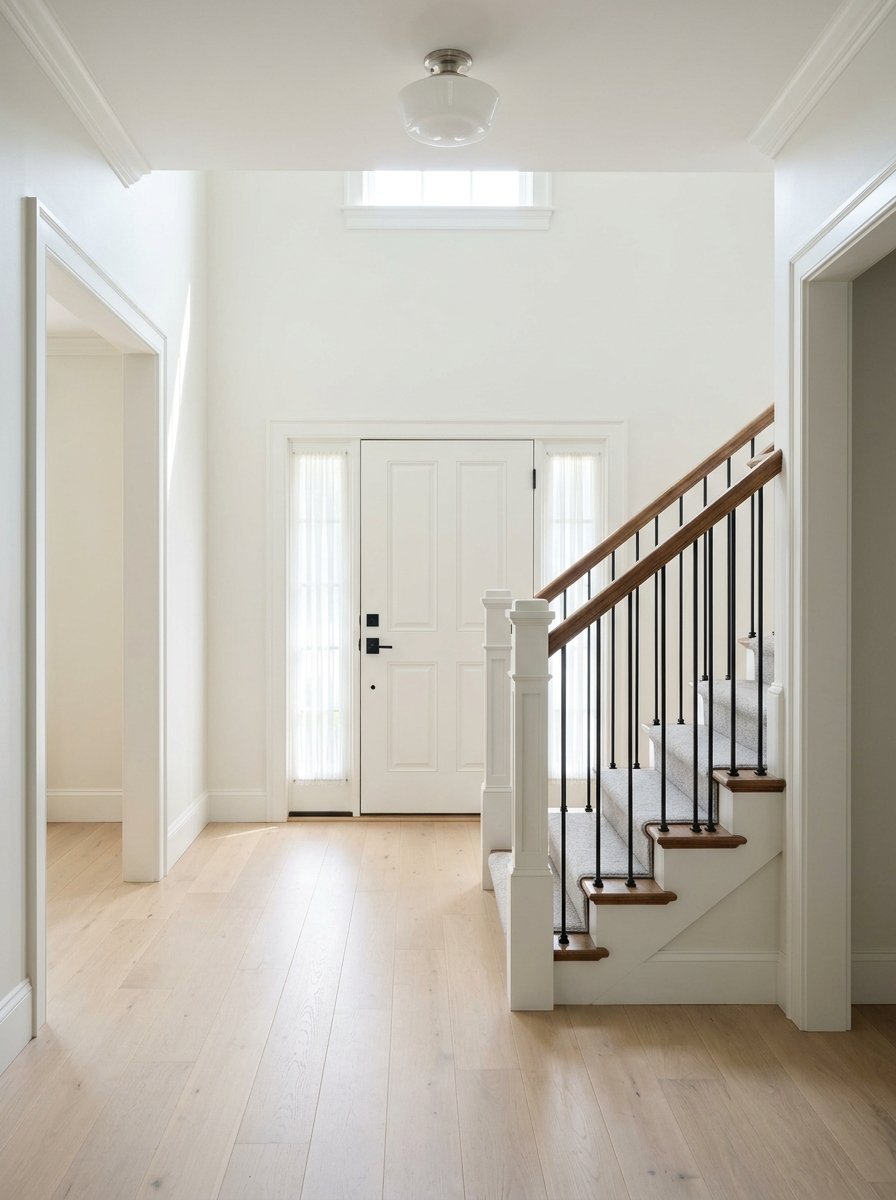
Thinking about your next move in Westwood? The right home is not just about square footage or curb appeal. In a town where single-family homes dominate and land is tightly built out, the style of home you choose can shape how well your space fits your daily life now and years from now. If you are planning a move-up purchase, a simpler next chapter, or a home that can flex with family needs, this guide will help you match Westwood home styles to your next life stage. Let’s dive in.
Why home style matters in Westwood
Westwood is a mature, high-value housing market with 16,318 residents, 5,592 households, and an 87% owner-occupied rate. Census data also shows a median owner-occupied home value of $1,041,500 and a median age of 43.9, which points to a community where many owners stay longer and plan carefully.
That long-term mindset matters when you buy here. Westwood’s 2025 Housing Production Plan says nearly three-quarters of the housing stock is single-family, while only 16.6% of homes are in developments with 20 or more units. In practical terms, you will likely be choosing among different types of detached homes, not a wide range of townhouse or mid-density options.
Westwood also has limited land left for major new subdivisions. About 80% of the town’s land area is either already developed or conservation land, and most parcels that could be subdivided have already been used for single-family construction. That makes home style, lot size, and renovation potential especially important in your decision.
Common Westwood home styles
Westwood’s housing mix reflects different eras of growth, from colonial-era settlement to 1930s neighborhoods and post-World War II development. A local real estate guide commonly identifies Colonials, Cape Cods, ranches, and split-levels among the town’s familiar home styles.
For many buyers, the most relevant choices come down to how a home lives day to day. Some styles offer more separation and traditional layouts, while others offer easier maintenance, fewer stairs, or better flexibility for future changes.
Colonial homes
Colonial Revival homes are typically symmetrical, with centered entries, aligned windows, dormers, and gable, hipped, or gambrel roofs. Historic New England notes that later examples often have more open interiors than earlier colonial-era homes.
In Westwood, Colonials often appeal to buyers who want a classic New England look and a more traditional two-story layout. They can be a practical fit if you want bedroom separation upstairs and a main level that feels well suited for everyday living and entertaining.
Cape Cod homes
Cape Cod houses are usually modest one-and-a-half-story homes with steep gable roofs, symmetrical facades, and minimal roof overhang. Historic New England also notes that the Cape form had a post-World War II revival, which helps explain why it still feels at home in towns like Westwood.
Capes often strike a balance between manageable size and future flexibility. Their smaller footprint can feel easier to maintain, and many buyers look at them as homes with possible room to grow through dormers, attic finishes, or rear additions if the lot and permits allow.
Ranch homes
Ranch homes are generally single-story houses with low, long profiles, open floor plans, large windows, and attached garages. Their layout was designed around simple circulation and easy indoor-outdoor living.
In Westwood, ranches are often the clearest starting point if you want fewer stairs or a layout that feels easier to navigate. They can also be worth a closer look if you are planning for long-term comfort or need space that works more smoothly for multigenerational living.
Newer rebuilds and custom homes
In Westwood, newer homes are often part of a rebuild story rather than a brand-new subdivision. The town reports that between January 1, 2019 and November 20, 2024, 69 single-family homes were demolished and replaced, and 84 new single-family homes were constructed.
That matters because many newer homes here sit on established lots in existing neighborhoods. If your priorities include turnkey finishes, larger kitchens, mudrooms, first-floor suite potential, or dedicated work-from-home space, this segment of the market may deserve special attention.
Best fits for your next life stage
The best home style for you depends on how you live now and how much flexibility you want later. In Westwood, the smart choice is often the one that balances present comfort with future options.
For growing households
If you need more room, the Colonial versus Cape comparison is often the most useful starting point. Colonials tend to offer stronger bedroom separation and a more traditional two-story layout, which can help if you want defined spaces for sleeping, work, and gathering.
Capes can also work well if you want a smaller footprint today with possible expansion later. In a town where large-scale new development is limited, buying a home with realistic addition potential can be just as important as buying one with enough space on day one.
For downsizing
Downsizing does not always mean leaving Westwood or giving up a single-family lifestyle. In many cases, it means finding a home that asks less of you while still supporting the way you want to live.
Ranches are often the most comfortable place to start because they reduce stair use and usually offer easier circulation. Some smaller Capes may also appeal if you want a compact home with character, as long as the layout works for your daily routine.
For aging in place
If you are buying with the next 10 to 20 years in mind, layout becomes even more important. A home with fewer level changes, easier entry, and simple day-to-day movement can support a longer stay.
That is one reason ranch-style homes stand out in Westwood. Newer rebuilds may also offer features that fit longer-term planning, such as first-floor suite potential and more open common areas.
For multigenerational living
When more than one generation may share the property, home style is only part of the equation. Lot size, setbacks, and accessory dwelling unit rules can be just as important as the floor plan inside the main house.
Westwood allows one protected use ADU in residential districts, and up to two ADUs may be allowed with special permit approval. The bylaw generally requires an ADU to be 500 to 900 square feet and requires off-street parking, with some exceptions near commuter rail or bus stations.
The town’s Housing Production Plan also notes that Westwood had more than 60 approved ADUs and removed a prior 2% cap at the May 2025 Annual Town Meeting. For buyers who want flexibility for a caregiver, adult child, or other household arrangement, that creates a meaningful planning pathway.
Lot size shapes your options
In Westwood, the house itself is only part of the story. The zoning district can affect what you may be able to do later with additions, outdoor living areas, or secondary space.
The zoning bylaw sets minimum residential lot areas from 12,000 square feet in SRA to 80,000 square feet in SRE. Frontage ranges from 90 to 175 feet, and minimum front setbacks range from 25 to 40 feet.
The practical takeaway is simple. Larger-lot districts generally provide more room for additions, outdoor space, and custom builds, while smaller-lot districts can be tighter on footprint and expansion options.
For multigenerational buyers or anyone thinking long term, this can be a major differentiator between two homes that look similar online. A good lot can add future flexibility that is hard to replace in a built-out town.
Renovation and rebuild questions to ask
Because Westwood has limited land for major new construction, many buyers think beyond the current floor plan. If you are considering a Cape with dormer potential, a ranch with room for an addition, or an older home that may one day be rebuilt, local rules matter.
Westwood’s Building Department says permits are generally needed for new structures, additions, dormers, chimneys, decks, roofing, siding, swimming pools, antennae, and sheds. The town also notes that altering the footprint or adding an upper floor usually requires a certified plot plan.
If demolition is part of the conversation, a permit is required, and a certificate of occupancy is needed before a new house or addition can be used. These details may sound technical, but they are exactly the kind of factors that can shape whether a home truly supports your next chapter.
Historic review can matter
If you are looking at an older Colonial or Cape, it is smart to understand whether historic review could affect a future teardown or major exterior change. Westwood’s demolition bylaw covers structures built before December 31, 1910.
The town’s Historic Preservation Division says the Westwood Historical Commission has review authority over proposed demolitions in that category. If preservation, renovation scope, or redevelopment potential matters to you, this is worth checking early.
A simple way to narrow your search
When you tour homes in Westwood, try filtering each one through three practical questions:
- Does this layout fit how you live right now?
- Will this home still work for your next phase of life?
- Does the lot support the flexibility you may want later?
That framework can help you look past finishes and focus on long-term fit. In Westwood, where inventory is shaped by older neighborhoods, limited land, and a strong single-family tradition, that kind of clarity can lead to a smarter purchase.
If you are planning a move in Westwood, the right guidance can make it easier to weigh style, lot potential, and long-term value. Melissa Mayer can help you find a home that fits this season of life and the one that comes next.
FAQs
What home style is most common in Westwood, MA?
- Westwood is dominated by single-family housing, and commonly seen styles include Colonials, Cape Cods, ranches, and split-levels.
Are ranch homes a good option for downsizing in Westwood?
- Ranch homes are often a strong option for downsizing because they are typically single-story and offer easier day-to-day circulation with fewer stairs.
Can you add an ADU to a single-family home in Westwood?
- Westwood allows one protected use ADU in residential districts, and up to two ADUs may be allowed with special permit approval, subject to local size and parking rules.
Do lot size and zoning matter when buying in Westwood?
- Yes. Westwood’s zoning districts have different minimum lot sizes, frontage, and setbacks, which can affect future additions, outdoor space, and expansion flexibility.
Do you need permits for additions or dormers in Westwood?
- Yes. Westwood’s Building Department says permits are generally required for additions, dormers, and many other residential improvements.
Are older homes in Westwood subject to historic demolition review?
- Some are. Westwood’s demolition bylaw covers structures built before December 31, 1910, and proposed demolitions in that category are subject to Historical Commission review.